Meal Delivery for Special Diets: Vegetarian, Gluten-Free and Allergies
How to check a meal delivery service for vegetarian, gluten-free and food allergy needs: what labels mean, what FDA defines, and what to ask before you order.
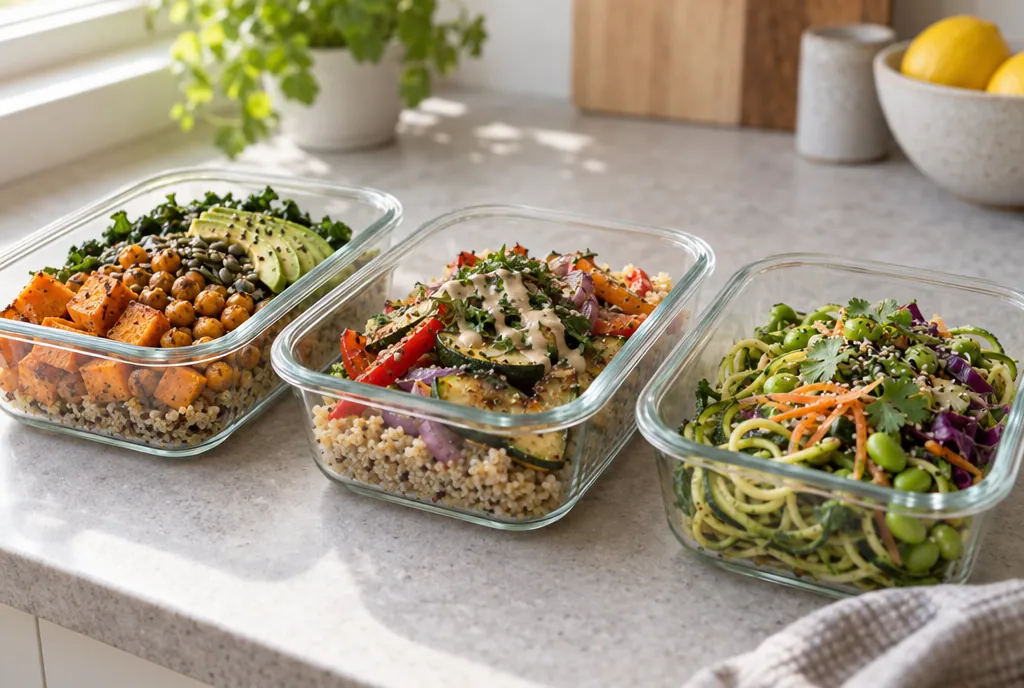
Key takeaways
- Vegetarian menus still need protein variety. The Dietary Guidelines advise vegetarians and vegans to consume a variety of whole foods, especially protein-rich foods such as dairy, eggs, beans, peas, lentils, legumes, nuts, seeds, tofu, or tempeh.
- "Gluten-free" has an FDA definition. Per FDA, any unavoidable presence of gluten in the food must be less than 20 parts per million (ppm), and the claim is voluntary.
- FDA lists nine major food allergens: milk, eggs, fish, Crustacean shellfish, tree nuts, peanuts, wheat, soybeans, and sesame. Read the ingredient list and any Contains statement every time.
- Statements like "may contain" are not required by law, per FDA. If cross-contact matters for you, ask the service how its meals are made.
- With celiac disease or a serious food allergy, get guidance from a doctor, allergist, or registered dietitian before you choose a service.
A menu that says “vegetarian,” “gluten-free” or “allergy-friendly” is a starting point, not a guarantee. This guide shows what each phrase can and cannot tell you, which official definitions apply, and which questions to send a meal delivery service before you subscribe.
Why special diets need extra checking
Meal services build menus for many people at once. A vegetarian dish may still lean on cheese for protein. A gluten-free label may cover a single ingredient rather than the finished meal. A box packed in a shared kitchen may carry traces of an allergen that never appears on the front of the box.
The safest habit is to treat the website’s diet filter as a shortlist, then confirm details on the actual label and with the company. Our guide to how to choose a healthy meal delivery service covers the general checks, such as nutrition information, cost and cancellation terms. This guide adds the diet-specific ones.
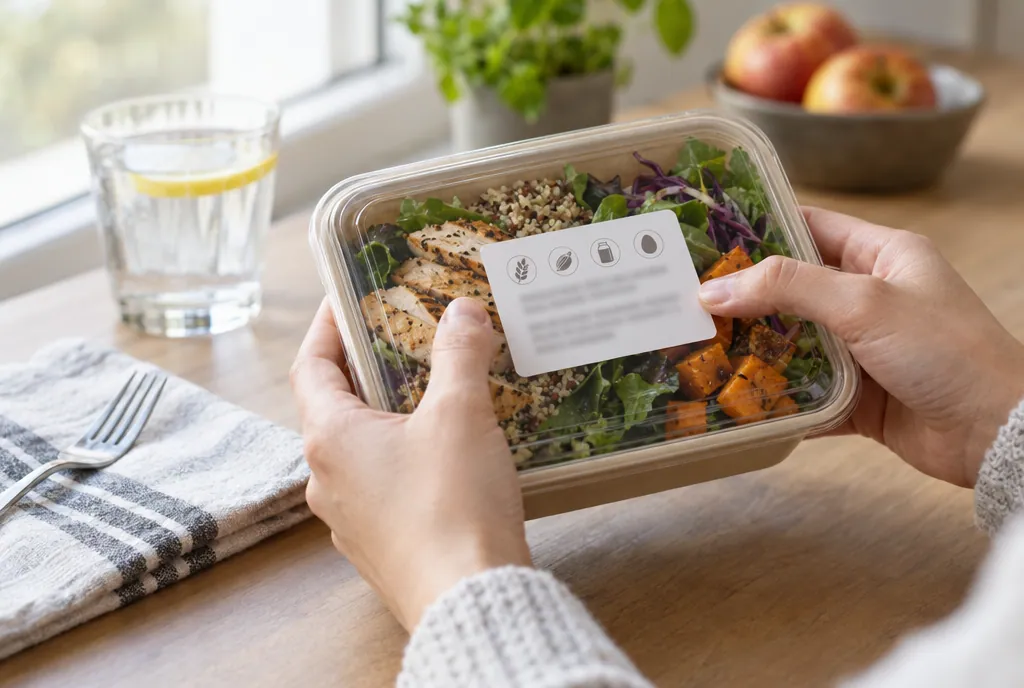
Vegetarian: check protein variety and processed extras
A vegetarian meal has no meat, but it is not automatically balanced. The Dietary Guidelines for Americans, 2025-2030 tell vegetarians and vegans to consume a variety of whole foods, especially protein-rich foods such as dairy, eggs, beans, peas, lentils, legumes, nuts, seeds, tofu, or tempeh. The same section advises significantly limiting highly processed vegan or vegetarian foods that can include added fats, sugars, and salt.
In practice, look at a week of menus. Do you see beans, lentils, tofu, eggs, or nuts, or the same cheese-and-pasta dish in different sauces? Read the Nutrition Facts for sodium and added sugars on meat substitutes and sauces. If the service labels dishes “plant-based,” check whether that also means egg-free and dairy-free, since many vegetarians eat both.
Gluten-free: what the label means
“Gluten-free” is a voluntary claim, but when a company uses it, FDA says the food has to meet the requirements of its regulations. FDA’s definition is that the food either is inherently gluten free, or does not contain an ingredient that is a gluten-containing grain, derived from a gluten-containing grain that has not been processed to remove gluten, or derived from a gluten-containing grain that has been processed to remove gluten, if the use of that ingredient results in the presence of 20 parts per million (ppm) or more gluten in the food. Also, any unavoidable presence of gluten in the food must be less than 20 ppm.
FDA adds that “free of gluten,” “without gluten,” and “no gluten” are equivalent to “gluten-free.” Other terms about the absence of gluten are evaluated case by case, so ask what any other wording means.
Know where the rule stops. FDA says it applies to FDA-regulated packaged foods, and NIDDK notes that it does not apply to foods regulated by USDA, including meat, poultry, and some egg products. For a meal with a meat or chicken main, ask the service how it checks for gluten.
Two more practical points. First, NIDDK says cross-contact can occur at any time, including when foods are grown, processed, stored, prepared, or served. Second, NIDDK says some packaged gluten-free foods may be higher in fat and sugar than the same foods that contain gluten, so read the Nutrition Facts as well.
Food allergies: labels, cross-contact and questions to ask
FDA names nine major food allergens: milk, eggs, fish, Crustacean shellfish, tree nuts, peanuts, wheat, soybeans, and sesame. FDA says labels must name the food source of a major allergen, either in parentheses after the ingredient (such as “flour (wheat)”) or in a “Contains” statement next to the ingredient list.
Know where that rule stops. FDA’s food allergies page says FDA enforces the law in most packaged foods but not for meat, poultry, and egg products, which USDA regulates, or most foods sold at retail or food service establishments that are not pre-packaged with a label. That matters for a meal with a chicken or beef main. It also says that “may contain” and “produced in a facility that also uses” statements are not required by law and can be used to address unavoidable cross-contact.
Cross-contact is, per FDA, the inadvertent introduction of a major food allergen into a product. A meal kit with a nut-free recipe can still pick up traces if nuts are handled on the same line. So ask the company directly.
Questions to send the service
- Which of the nine major allergens does each meal contain, and where is that listed?
- Are meals made on shared equipment or in a shared kitchen with my allergen?
- Do you change ingredients or suppliers without notice, and how would I find out?
- Will the box include a full ingredient list and a Contains statement?
- Who do I contact about a reaction or a labeling concern?
Keep every package label and the company’s replies in one place. If a reaction occurs after eating an FDA-regulated food, FDA suggests discussing it with your health care provider and keeping the food packages, says you may want to contact the manufacturer, and explains how to report a complaint to FDA.
What to check, by diet
Vegetarian
Look for varied protein foods across the week, a clear note about egg and dairy, and limited highly processed substitutes. Compare sodium and added sugars on sauces and meat alternatives.
Gluten-free
Look for the defined “gluten-free” claim on the finished meal, not only on an ingredient. Ask how the kitchen prevents cross-contact. Skim the label for added fat and sugar.
Food allergies
Confirm the Contains statement, read the full ingredient list, and ask about shared equipment and ingredient changes. Check how meat, poultry, and egg dishes are labeled.
| Diet | What the service should show | What you still check |
|---|---|---|
| Vegetarian | Protein sources per meal, egg and dairy notes | Variety across the week, sodium, added sugars |
| Gluten-free | “Gluten-free” claim per FDA’s definition, less than 20 ppm | Cross-contact answers, fat and sugar |
| Food allergies | Ingredients and a Contains statement for the nine major allergens | Shared-kitchen practices, advisory wording, changes |
For help matching a service to your diet, the meal delivery comparison is a place to start, and our guide on meal kits vs prepared meal delivery explains how handling differs. If you are ordering for a parent, see meal delivery for older adults. The full set lives in the Meal Delivery, Kits & Programs hub, and our medical disclaimer explains the limits of this guide.
Special diet meal delivery checklist
- Write down your exact needs: foods to avoid, foods you eat, and how strict you must be.
- Talk to a doctor, allergist, or registered dietitian if you have celiac disease or a diagnosed allergy.
- Review a full week of menus, not only the sample page.
- Get ingredient lists and Contains statements before ordering.
- Email the service your cross-contact questions and save the reply.
- Check Nutrition Facts for sodium, added sugars, and fat.
- Re-read every label when the box arrives, since recipes can change.
- Keep packaging until the meal is eaten, in case you need to report a problem.
Frequently asked questions
What does "gluten-free" mean on a meal label?
FDA defines it in 21 CFR 101.91: the food is inherently gluten free, or has no gluten-containing grain ingredient whose use results in 20 parts per million (ppm) or more gluten, and any unavoidable presence of gluten must be less than 20 ppm. "Free of gluten," "without gluten," and "no gluten" are equivalent claims. The rule covers FDA-regulated packaged foods.
Is "may contain peanuts" required on the label?
No. FDA says advisory statements such as "may contain [allergen]" or "produced in a facility that also uses [allergen]" are not required by law and can be used to address unavoidable cross-contact. They are still worth reading. You can ask the company how it handles allergens.
Which allergens must be listed on a food label?
The nine major food allergens that FDA names are milk, eggs, fish, Crustacean shellfish, tree nuts, peanuts, wheat, soybeans, and sesame. FDA says labels must identify the food source name, either in parentheses in the ingredient list or in a Contains statement. Some foods fall under other agencies, so ask if you are unsure.
Can I just start a gluten-free diet if I think I have celiac disease?
NIDDK says no. Talk with your doctor about testing before you begin a gluten-free diet, because if you avoid gluten before testing, the results may not be accurate. It also says starting without advice from a doctor or registered dietitian can leave your diet short of nutrients such as fiber, iron, and calcium.
Sources
- Dietary Guidelines for Americans, 2025–2030 — USDA and HHS
- Questions and Answers on the Gluten-Free Food Labeling Final Rule — U.S. Food and Drug Administration
- Gluten-Free Labeling of Foods — U.S. Food and Drug Administration
- Food Allergies — U.S. Food and Drug Administration
- Food Allergies: What You Need to Know — U.S. Food and Drug Administration
- Eating, Diet, & Nutrition for Celiac Disease — National Institute of Diabetes and Digestive and Kidney Diseases