Food Safety at Home
Store, thaw, reheat and pack food the way food-safety agencies advise.
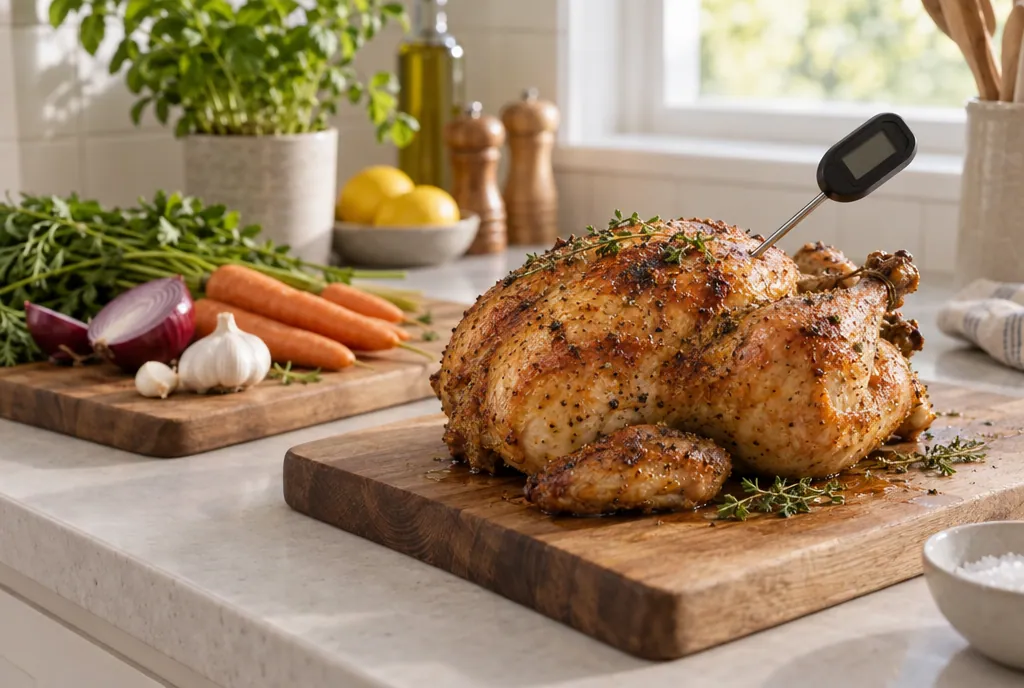
Cooking ahead, keeping leftovers and packing lunches all save time, but each step depends on keeping food at safe temperatures and using it within safe time limits. A few simple habits make a real difference.
The guides in this section turn the advice from USDA's Food Safety and Inspection Service, the FDA and the CDC into practical routines: how long leftovers keep and how to reheat them, the safe ways to thaw frozen food, how to keep a packed lunch cold until you eat it, and how to organize your fridge and freezer so food stays safe and nothing gets forgotten.
Food safety matters even more for people at higher risk of foodborne illness, including pregnant women, young children, older adults and people with weakened immune systems. If that includes you or someone you cook for, follow the extra precautions noted in each guide and ask your doctor if you have questions.
4 guides in Food Safety at Home
How to Organize Your Fridge and Freezer for Food Safety
Set your fridge to 40 °F or below and your freezer to 0 °F, then store raw meat, eggs, leftovers and frozen food where they stay safe. Plus what to do in an outage.
How to Thaw Food Safely: Fridge, Cold Water and Microwave
FSIS lists three safe ways to thaw food: the fridge, cold water and the microwave. Here are the times, when to cook and when you can refreeze for each.
Leftovers: How Long They Keep and How to Reheat Safely
Refrigerate leftovers within 2 hours, eat them within 3 to 4 days and reheat to 165 °F. Here is how to cool, store, thaw and reheat leftovers the FSIS way.
Packed Lunch Food Safety
Keep packed lunches safe with an insulated bag, two cold sources and a hot-food container. Here is what FSIS says needs a cold pack and what to toss after lunch.