Sugary Drinks: Spotting Added Sugar in What You Drink
Which drinks count as sugar-sweetened, what the 2025–2030 Dietary Guidelines say about them, and how to read Added Sugars on the label before you sip.
Key takeaways
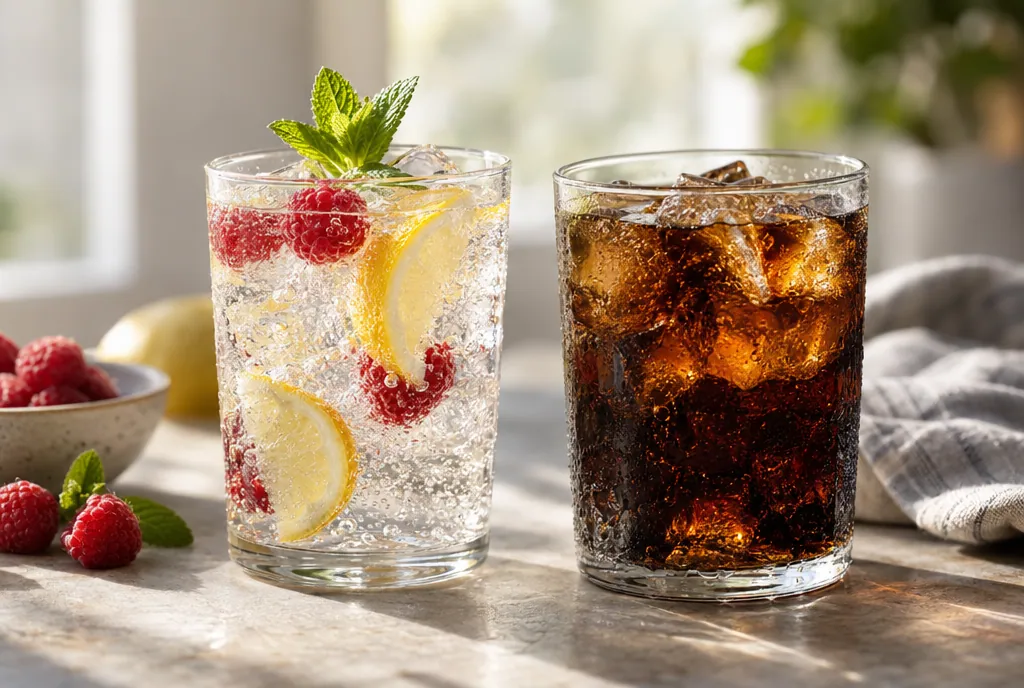
- CDC defines sugar-sweetened beverages as any drinks that are sweetened with various forms of added sugars, including regular soda, fruit drinks, sports drinks, energy drinks, sweetened waters, and coffee and tea beverages with added sugars.
- The 2025–2030 Dietary Guidelines say to avoid sugar-sweetened beverages, such as sodas, fruit drinks, and energy drinks, and to choose water (still or sparkling) and unsweetened beverages.
- On the label, the Daily Value for added sugars is 50 grams per day based on a 2,000 calorie daily diet, and FDA says 20% DV or more is a high source.
- For 100% juice, the Dietary Guidelines say it should be consumed in limited portions or diluted with water; the NHS says to limit fruit juice and smoothies to a maximum of one small glass (150ml) a day and drink it with a meal.
Drinks are an easy place for added sugar to slip in unnoticed, from a can of soda to a flavored latte. Check two things on any bottle, can or cup: the Added Sugars line on the Nutrition Facts label and the ingredient list.
What counts as a sugary drink
CDC defines sugar-sweetened beverages as any drinks that are sweetened with various forms of added sugars, such as table sugar, sugars from syrups and honey, and sugars from concentrated fruit or vegetable juices. Its examples include regular soda, fruit drinks, sports drinks, energy drinks, sweetened waters, and coffee and tea beverages with added sugars.
The list is wider than soda. CDC’s Rethink Your Drink page says the flavored coffees we grab on the way to work and sweet drinks we order when eating out are also sugary drinks, and that adding sugar and flavored creamer to coffee and tea at home counts too.
Why it matters: CDC says sugary drinks are the leading source of added sugars in the American diet. It also says frequently drinking SSBs is associated with weight gain, obesity, type 2 diabetes, heart disease, non-alcoholic liver disease, tooth decay and cavities, and gout.
The amounts add up quickly. In CDC’s sugar chart for 12-ounce servings, a sports drink has 5 teaspoons of sugar, brewed sweet tea 7, an energy drink 9 and regular soda 10, while plain water and unsweetened tea have 0.
What the 2025–2030 Dietary Guidelines say
The new Dietary Guidelines for Americans, 2025–2030 are direct about drinks. In their own words:
- “Avoid sugar-sweetened beverages, such as sodas, fruit drinks, and energy drinks.”
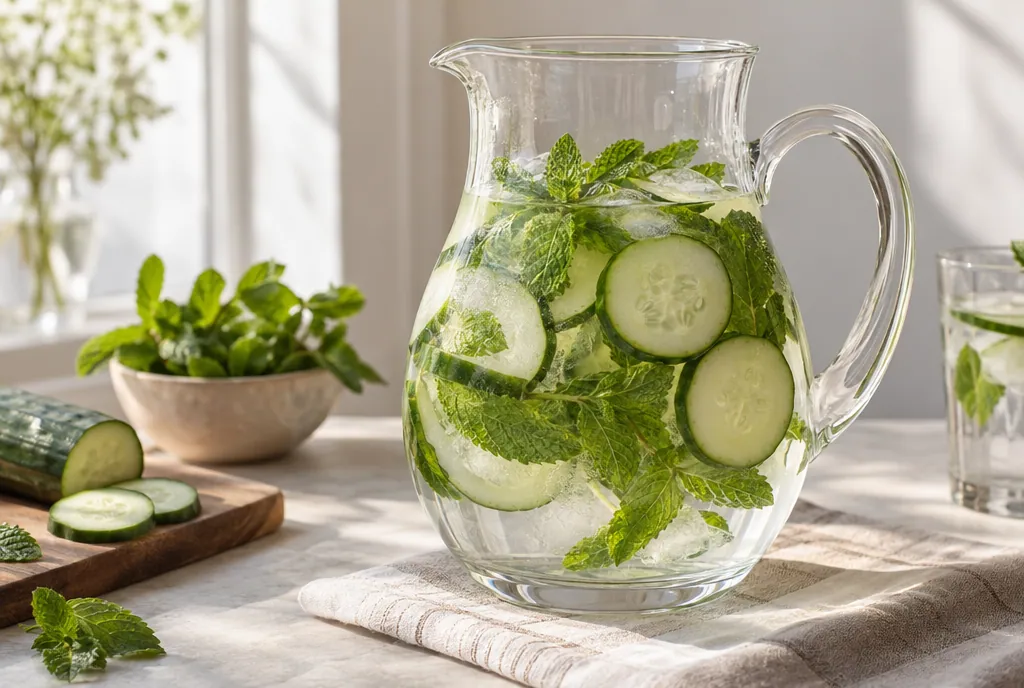
- “Hydration is a key factor in overall health. Choose water (still or sparkling) and unsweetened beverages.”
- “100% fruit or vegetable juice should be consumed in limited portions or diluted with water.”
On added sugars overall, the Dietary Guidelines say that while no amount of added sugars or non-nutritive sweeteners is recommended or considered part of a healthy or nutritious diet, one meal should contain no more than 10 grams of added sugars. A sweetened drink with lunch can reach that on its own.
They also list life-stage advice: avoid added sugars during infancy and early childhood; for middle childhood (5 to 10 years), no amount of added sugars is recommended; and adolescents should eat nutrient-dense foods while significantly limiting sugary drinks and energy drinks.
Reading the label
The Nutrition Facts label shows added sugars in grams and as a percent Daily Value. FDA says having the word “includes” before added sugars on the label indicates that added sugars are included in the number of grams of total sugars in the product. So “Total Sugars” is everything, and “Includes Added Sugars” is the part that was added.
The reference point is 50 grams per day based on a 2,000 calorie daily diet, FDA’s Daily Value for added sugars. For a quick read, FDA says 5% DV or less is a low source of added sugars and 20% DV or more is a high source.
Watch the serving size too. Check whether the numbers are for one serving or the whole container, especially on large bottles. Our guide on how to read a nutrition label walks through serving size and %DV.
Names to spot on the ingredient list
The Dietary Guidelines’ tip is to look for ingredients that include the word “sugar” or “syrup” or end in “-ose”. CDC’s Rethink Your Drink list says that if any of these are in your beverage, you are drinking a sugar-sweetened beverage: cane sugar, corn syrup, dextrose, fructose, fruit juice concentrates, fruit nectars such as agave nectar, glucose, high fructose corn syrup, honey, malt syrup, maple syrup and syrup, molasses, raw sugar, sucrose, sugar and sugar cane. Our added sugars guide has the full list of names.
What to check, drink by drink
| Drink | What to check |
|---|---|
| Regular soda, fruit drinks, sports drinks, sweetened waters | CDC lists all of these as sugary drinks. Check grams and %DV for added sugars. |
| Energy drinks | Added sugar plus caffeine: CDC says they may also contain large amounts of caffeine and other legal stimulants. |
| Coffee-shop drinks | CDC suggests you skip the flavored syrups and whipped cream. |
| Plain coffee, tea, sparkling water, seltzer | CDC calls these low-calorie choices. Check flavored versions for added sugars. |
| 100% fruit juice | Limited portions or diluted with water (Dietary Guidelines); one small glass (150ml) a day with a meal (NHS) |
| Plain milk | Its sugars are naturally occurring and are not considered added sugars. Flavored milk: check the Added Sugars line. |
| “Diet” or “sugar-free” drinks | These likely contain high-intensity sweeteners (CDC); the Dietary Guidelines say to limit low-calorie non-nutritive sweeteners. |
Simple swaps
At home
CDC’s Rethink Your Drink tips work well at home:
- Choose tap water or unsweetened bottled or sparkling water instead of sugary drinks.
- Add berries or slices of lime, lemon or cucumber for flavor.
- Missing fizzy drinks? Add a splash of 100% juice to plain sparkling water.
- Don’t stock up on sugary drinks; keep a jug or reusable bottles of cold water in the fridge.
If you use squash or cordial, the NHS says to dilute it well to reduce the sugar content.
Eating out
CDC suggests you opt for water when eating out. At a coffee shop, CDC’s advice is to skip the flavored syrups and whipped cream, and on the go, to carry a reusable water bottle and refill it during the day. Unsweetened iced tea or plain coffee are easy orders that skip the added sugar.
For kids
CDC says the Dietary Guidelines recommend that children younger than 11 do not have any added sugar. The NHS says the best drinks to give children are water and milk, and that children should avoid sugary fizzy drinks, squash and juice drinks completely. For teens, the Dietary Guidelines call for significantly limiting sugary drinks and energy drinks. Our guide to healthy school lunches and snacks has drink ideas for lunchboxes.
Energy drinks raise a second question besides sugar; see our guide to how much caffeine is too much. More drink guides are in the Drinks & Hydration hub.
Sugary drink checklist
- Read the Added Sugars line and %DV before you buy a bottled drink
- Check whether the label is per serving or per container
- Scan the ingredients for “sugar,” “syrup” and words ending in “-ose”
- Count coffee-shop drinks and sugar or flavored creamer added at home
- Keep 100% juice to a small glass with a meal, or dilute it with water
- Keep cold water ready in the fridge and carry a refillable bottle
- Offer kids water and milk as their everyday drinks
Frequently asked questions
Is 100% fruit juice a sugary drink?
It isn't sweetened with added sugar, but it still needs a limit. The Dietary Guidelines say 100% juice should be consumed in limited portions or diluted with water. The NHS suggests a maximum of one small glass (150ml) a day, drunk with a meal, because juice and smoothies are high in sugar.
How much added sugar is too much in one drink?
Use the %DV. FDA says 5% DV or less is a low source of added sugars and 20% DV or more is a high source. The Dietary Guidelines say no amount of added sugars is recommended and that one meal should contain no more than 10 grams of added sugars, so a sweet drink with lunch can use that up on its own.
Are diet or sugar-free drinks a better choice?
The advice is mixed. CDC says drinks labeled "sugar-free" or "diet" likely contain high-intensity sweeteners and that there are many questions about their long-term effectiveness for weight management. The Dietary Guidelines say to limit foods and beverages that include low-calorie non-nutritive sweeteners. Plain water is the swap every source supports.
Do sweetened coffee drinks count as sugary drinks?
Yes. CDC says the flavored coffees we grab on the way to work and sweet drinks we order when eating out are also sugary drinks, and that adding sugar and flavored creamer to coffee and tea at home counts too.
Sources
- Fast Facts: Sugar-Sweetened Beverage Consumption — CDC
- Rethink Your Drink — CDC
- Get the Facts: Added Sugars — CDC
- About Water and Healthier Drinks — CDC
- Added Sugars on the Nutrition Facts Label — U.S. Food and Drug Administration
- Dietary Guidelines for Americans, 2025–2030 — USDA and HHS
- Water, drinks and hydration — NHS
- Caffeine — MedlinePlus (NIH)