Healthy School Lunches and Snacks for Kids
Pack school lunches and snacks from the food groups, with kid-friendly combos, drink choices, cold-pack basics and a note on allergies at school.
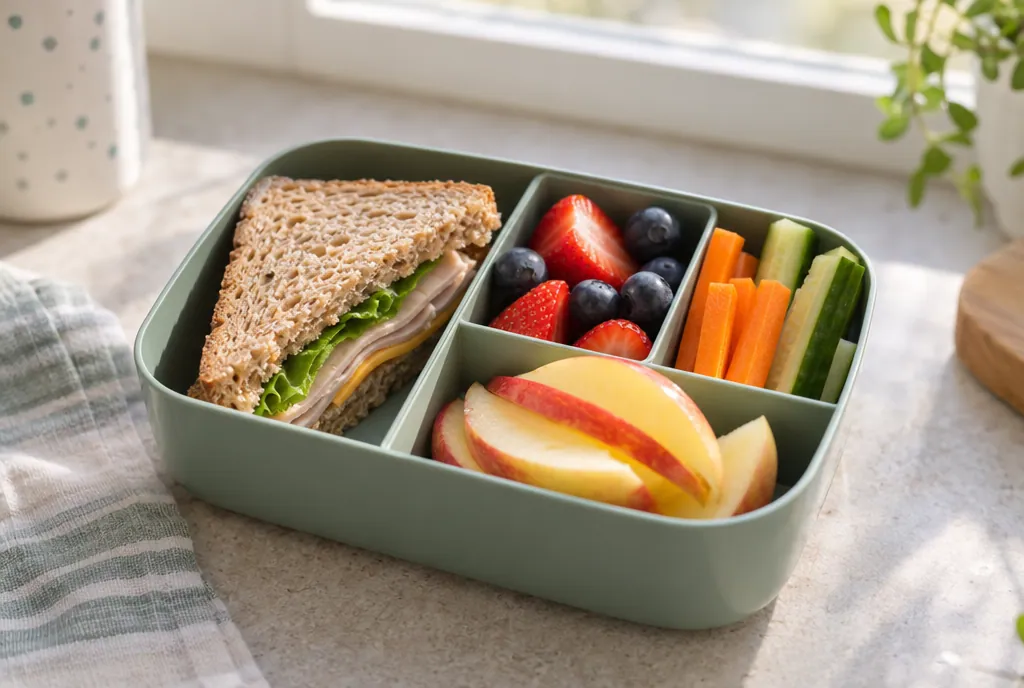
Key takeaways
- Build the lunch box from food groups. The 2025-2030 Dietary Guidelines say to focus children ages 5 to 10 on whole, nutrient-dense foods such as protein foods, dairy, vegetables, fruits, healthy fats and whole grains.
- For drinks, the Dietary Guidelines say to choose water and unsweetened beverages, and to avoid sugar-sweetened beverages such as sodas, fruit drinks and energy drinks.
- Pack perishable food with at least two cold sources, such as two frozen gel packs or a gel pack plus a frozen juice box or water bottle (FSIS).
- Food should not be left out at room temperature more than 2 hours, or 1 hour if it is above 90 degrees F (FSIS).
- If your child has a food allergy, talk to the school and your child's doctor about a plan. The FDA lists nine major food allergens, so read labels on packed foods.
A school lunch that gets eaten beats a perfect one that comes home untouched. Start with a few foods your child already likes, add one or two from the food groups they eat less often, and keep everything cold until lunchtime.
Pack the lunch from food groups
You do not need a special formula. Think in groups and pick one or two items from each. For children ages 5 to 10, the Dietary Guidelines say to focus on whole, nutrient-dense foods such as protein foods, dairy, vegetables, fruits, healthy fats and whole grains.
- Protein foods: sliced turkey or chicken, a hard-boiled egg, hummus, beans, nut or seed butter (check your school’s rules first), or tuna.
- Dairy: cheese cubes or sticks, plain yogurt, or milk. The Dietary Guidelines say full-fat dairy products are important for children to help meet energy needs and support brain development.
- Vegetables: carrot sticks, cucumber coins, snap peas, pepper strips, cherry tomatoes cut in quarters for younger kids.
- Fruit: whole fruit, grapes, apple slices, clementines, berries.
- Whole grains: whole-grain bread, wraps, crackers, pasta salad, or leftover brown rice.
Pack a small dip such as hummus or plain yogurt with a little seasoning in a lidded cup. Some kids are happier to eat vegetables when there is something to dunk them in.
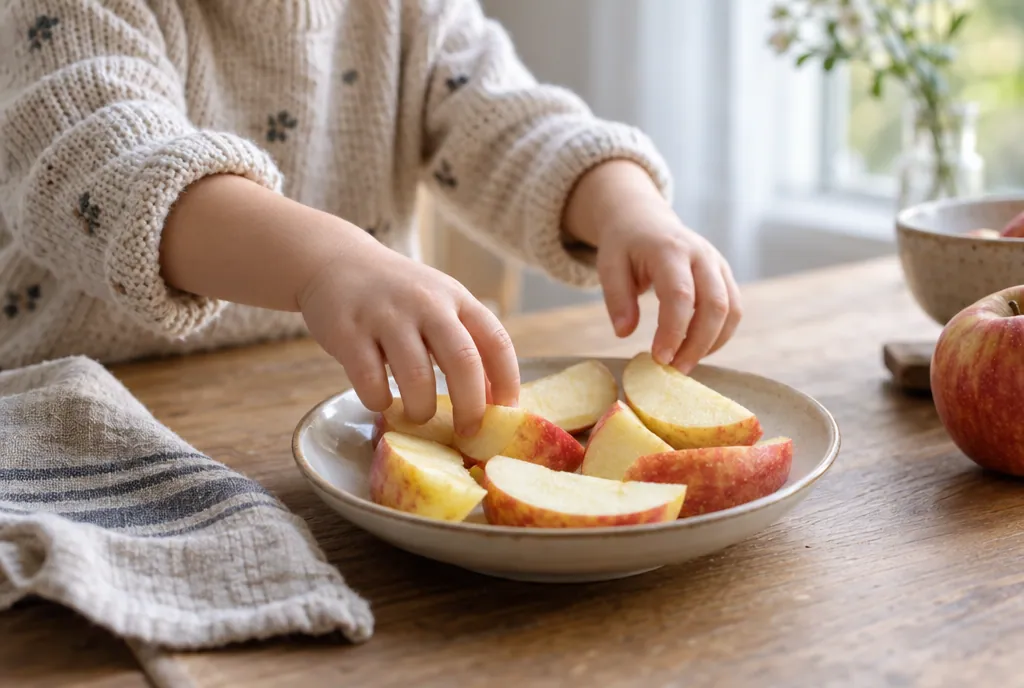
Kid-friendly combos
These are example combinations, not an official menu. Swap in what your child will actually eat.
| Lunch | Protein / dairy | Grain | Vegetable | Fruit |
|---|---|---|---|---|
| Sandwich box | Turkey and cheese | Whole-grain bread | Cucumber slices | Grapes |
| Snack-plate lunch | Hard-boiled egg, cheese cubes | Whole-grain crackers | Pepper strips and hummus | Clementine |
| Pasta salad | Chickpeas, mozzarella | Whole-wheat pasta | Cherry tomatoes, peas | Apple slices |
| Wrap rolls | Bean and cheese | Whole-grain tortilla | Shredded carrot | Berries |
| Thermos night-before | Chili or lentil soup | Cornbread square | Side of carrots | Pear |
Leftovers from dinner are the quickest source. Cook a little extra grain or protein and your next lunch is mostly done. Our meal prep basics and work lunches guide show the same assemble-ahead approach for adults.
Lunch box, snacks and drinks
Lunch box
Aim for one item from most of the groups above, in portions that suit your child’s appetite. Cut foods into shapes that are easy to eat in a short lunch period, and make sure containers open without help.
The Dietary Guidelines say to avoid highly processed packaged, prepared, ready-to-eat or other foods that are salty or sweet, such as chips, cookies and candy that have added sugars and sodium. Instead, prioritize nutrient-dense foods and home-prepared meals. That does not mean banning every packaged item. It means treating them as the extra, not the base.
Snacks
Snacks work best when they fill a gap in the food groups, not when they replace lunch. Good school-day options include fruit with cheese, yogurt with berries, whole-grain crackers with nut butter or hummus, vegetable sticks with a dip, or a small container of popcorn and nuts for children old enough to eat nuts safely.
For children ages 5 to 10, the Dietary Guidelines say no amount of added sugars is recommended, so check the added sugars line on packaged snacks. Our healthy snack ideas guide has more combinations built from the food groups.
Drinks
Water is the easy default. The Dietary Guidelines say to choose water (still or sparkling) and unsweetened beverages, and to avoid sugar-sweetened beverages such as sodas, fruit drinks and energy drinks. For children ages 5 to 10, they also say to avoid caffeinated beverages.
The CDC lists milk as a drink containing important nutrients such as calcium, potassium and vitamin D, and describes regular sodas, fruit drinks, sports drinks, energy drinks, sweetened waters and sweetened coffee and tea as containing calories but little nutritional value. A frozen water bottle doubles as a cold pack. See hydration basics for more on fluids.
Keep the lunch cold
Perishable food, including meat, poultry, eggs, cheese and cut fruit, needs to stay cold. FSIS says insulated, soft-sided lunch boxes or bags are best, but to pack at least two ice sources with perishable food in any type of bag you use.
- Use two frozen gel packs (not smaller than 5x3 inches each) or a frozen gel pack plus a frozen juice box or water bottle, placed on top and bottom of the food.
- Freeze gel packs overnight.
- Chill cooked food in the refrigerator first, at 40 degrees F or below, and divide big batches into shallow containers.
- Prepackaged lunch combos often contain luncheon meats, cheese or cut fruit that must be kept refrigerated even if cured or containing preservatives.
For a hot lunch, FSIS says to fill an insulated container with boiling water, let it stand a few minutes, empty it, then add piping hot food and keep it closed until lunchtime so it stays at 140 degrees F or above.
Let your child help
Getting your child involved is worth trying. The Dietary Guidelines say to make cooking meals fun and a regular part of the household’s routine for children ages 5 to 10, and to encourage adolescents to become active participants in food shopping and cooking.
- Offer two choices per group: “Apple or grapes? Carrots or cucumber?”
- Let them assemble the lunch box from containers you have prepped on Sunday.
- Offer new foods again. The Dietary Guidelines note that it may take 8 to 10 exposures before a young child is willing to try a new food.
A weekly plan makes this easier. Our weekly meal plan guide has a template.
Allergies and school rules
School meals
Many families mix packed lunches with school meals. For questions about the menu, costs or help paying for meals, ask your school office or district directly. You can also compare your child’s school menu with the groups above and pack what fills the gaps.
School lunch checklist
Sunday and nightly checklist
- Ask your child to pick one fruit, one vegetable and one protein or dairy item for the week.
- Cook or buy a grain such as rice, pasta or whole-grain bread.
- Wash and cut vegetables and fruit into easy-to-eat pieces.
- Put gel packs and a water bottle in the freezer overnight.
- Prepare lunch the night before and keep it in the refrigerator.
- Pack the bag right before leaving, with two cold sources on top and bottom.
- Check the labels on packaged foods for allergens and school rules.
- Remind your child to throw away leftover food and used packaging after lunch.
More ideas are in the Meal Planning & Prep hub.
Frequently asked questions
How do I keep a school lunch cold if there is no fridge?
Use an insulated, soft-sided bag and pack at least two ice sources with perishable food, per FSIS. Place them on top and bottom of the food. Or choose foods FSIS lists as not needing refrigeration, such as whole fruit, crackers, hard cheese and peanut butter.
Can I make my child's lunch the night before?
Yes. FSIS says it is fine to prepare the food the night before, but to pack the lunch bag right before leaving home. Keep the prepared food in the refrigerator overnight and freeze gel packs overnight.
Is juice a good lunch drink for kids?
The CDC lists limited amounts of 100% fruit juice among drinks with important nutrients, but names fruit drinks and sports drinks as sugary drinks with little nutritional value. Water is the simplest default. Check the label to see whether a drink is 100% juice.
What do I do with uneaten lunch food?
FSIS says to discard leftover food, used food packaging and paper bags after lunch, and to pack only as much perishable food as can be eaten at lunchtime. Packing smaller portions means less to throw away.