Food Date Labels: "Best By," "Use By" and "Sell By" Explained
What Best if Used By, Sell-By, Use-By and Freeze-By dates mean, why most are about quality rather than safety, and how to judge food after the date.
Key takeaways
- Except for infant formula, product dating is not required by federal regulations, and dates are not an indicator of the product's safety (USDA FSIS).
- Best if Used By marks best flavor or quality, Sell-By is for the store's inventory, and Use-By is the last date recommended for peak quality (USDA FSIS).
- Foods handled properly should still be safe after the date until spoilage is evident: an off odor, flavor or texture means don't eat it (USDA FSIS).
- Don't buy or use baby formula after its Use-By date (USDA FSIS).
- FDA says confusion over date labeling accounts for an estimated 20 percent of consumer food waste (FDA).
The date stamped on a package is usually the maker’s best guess about quality, not a deadline for safety. Once you know what each phrase means, you can stop tossing good food and focus on the signs that actually matter: how the food was stored and how it looks, smells and feels.
A carton of milk, a bag of salad and a can of beans can all carry different wording. Here’s how to read them.
What federal law requires (and doesn’t)
USDA’s Food Safety and Inspection Service (FSIS) puts it plainly: except for infant formula, product dating is not required by federal regulations (USDA FSIS). Manufacturers add dates to help shoppers and stores judge when food is at its best quality.
When a company does put a calendar date on meat, poultry or egg products, FSIS rules still apply. The date must show the month and day, the year must also appear on shelf-stable and frozen products, and a phrase explaining the date, such as “Best if Used By,” must sit right next to it (USDA FSIS).
States can add their own rules. FSIS notes that dating of some foods is required by more than 20 states (USDA FSIS), and that egg cartons may need a Sell-By or Expiration date under the egg laws of the state where they’re sold (USDA FSIS).
What each date phrase means
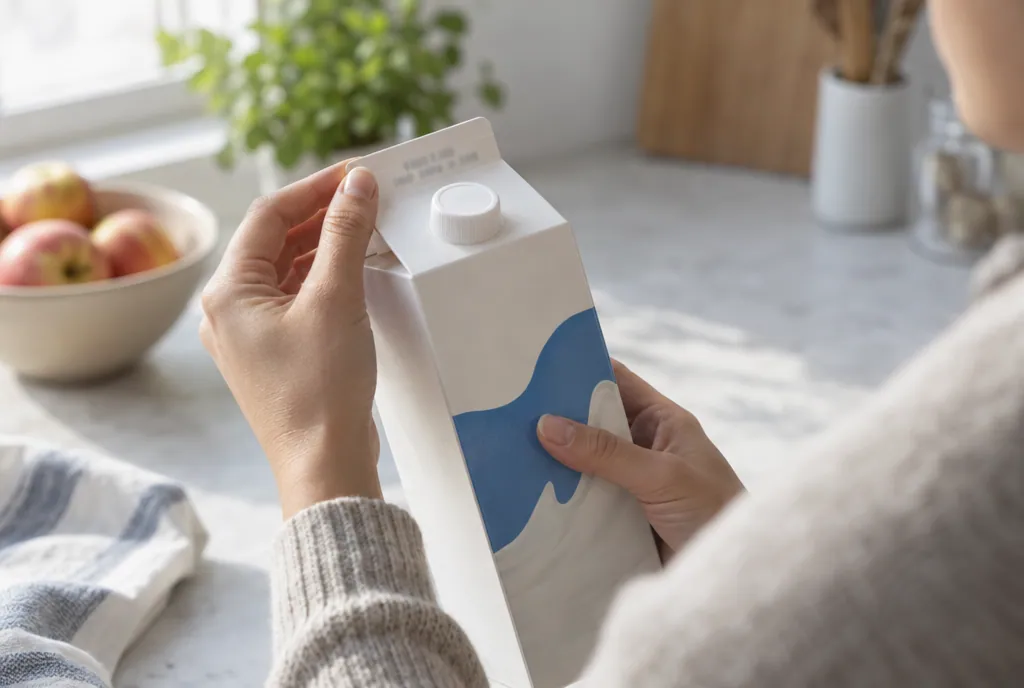
There’s no uniform or universally accepted wording for open dates in the United States, so you’ll see a wide variety of phrases (FDA). The four most common, as USDA FSIS defines them (USDA FSIS):
| Phrase on the label | What it means | Is it a safety date? |
|---|---|---|
| Best if Used By / Before | When a product will be of best flavor or quality (USDA FSIS) | No, and it isn’t a purchase date either |
| Sell-By | Tells the store how long to display the product for sale, for inventory management (USDA FSIS) | No |
| Use-By | The last date recommended for using the product while at peak quality (USDA FSIS) | No, except on infant formula |
| Freeze-By | When a product should be frozen to maintain peak quality (USDA FSIS) | No, and it isn’t a purchase date either |
| Can code (letters and numbers) | Closed dating that refers to the date the product was canned (USDA FSIS) | No; it isn’t meant for you to read as a Best if Used By date |
Both FSIS and FDA favor “Best if Used By” as the standard phrase. FSIS recommends it to manufacturers and retailers because research shows it tells shoppers the product will be at its best quality if used by that date (USDA FSIS). FDA supports industry efforts to make it the standard phrase (FDA).
The infant formula exception
Infant formula is the one product where the date carries more weight. Federal regulations require a Use-By date on formula, and using it by that date ensures it contains each nutrient in the quantity listed on the label (USDA FSIS). FSIS is direct: don’t buy or use baby formula after its Use-By date.
How to judge food after the date
FSIS says that, except for infant formula, a product should still be safe and wholesome after the date passes during home storage if it was handled properly, until spoilage is evident (USDA FSIS). Spoiled foods develop an off odor, flavor or texture; if a food has, don’t eat it.
FDA’s advice is similar: examine foods past their Best if Used By date for signs of spoilage, and if they’ve changed noticeably in color, consistency or texture, you may want to avoid eating them (FDA). One detail from FSIS is worth remembering: a change in the color of meat or poultry is not, by itself, an indicator of spoilage (USDA FSIS).
The date tells you nothing about how the food was treated. Spoilage can happen much faster if food isn’t stored or handled properly (USDA FSIS). For storage times after you open or cook something, see leftovers: how long they keep.
Fridge
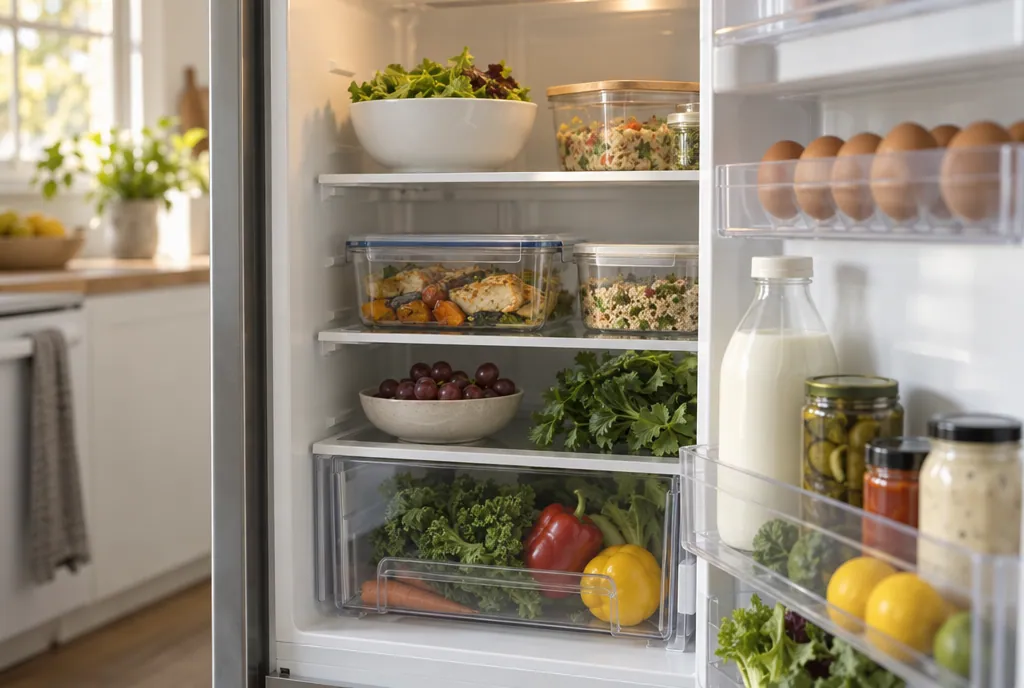
FDA recommends keeping your fridge at 40 degrees F or below (FDA). Its tips include setting aside a spot for foods that will go bad within a few days and checking the fridge often so you eat or freeze items before you need to throw them away. Our guide to organizing your fridge and freezer has more on setting that up.
Freezer
A Freeze-By date is your cue to freeze for best quality. FSIS says food stored constantly at 0 degrees F will always be safe, and that recommended freezer storage times are for quality only (USDA FSIS). Freezer burn makes food dry in spots but not unsafe.
Pantry
FSIS lists high-acid canned foods such as tomatoes and fruits at 12 to 18 months for best quality, and low-acid canned foods such as meats and vegetables at two to five years (USDA FSIS). Discard cans that are dented, rusted or swollen. A shelf-stable product can be safely used after the Sell-By date (USDA FSIS).
Dates and food waste
USDA estimates that 30 percent of the food supply is lost or wasted at the retail and consumer levels, and FSIS points to date confusion as one cause: wholesome food gets thrown away by people who misread the label (USDA FSIS). FDA puts date-label confusion at an estimated 20 percent of consumer food waste (FDA).
A few habits from FDA’s food-waste tips help (FDA):
- Write your shopping list after checking what’s already in the fridge, and plan the week’s meals as you go.
- Be careful buying in bulk, especially items with a short shelf life.
- Use your freezer for food you won’t get to in time.
- Donate extra packaged foods to a local food pantry or food drive.
If you have questions about a specific product’s quality or labeling, FDA suggests contacting the company that made it; many packages list contact details (FDA). Building meals around what’s already in your fridge is easier with a weekly meal plan, and more label topics live in our labels and smart shopping hub.
Your date-label checklist
- Read the phrase next to the date, not just the date itself.
- Treat Best if Used By, Sell-By and Use-By as quality guides on everything except infant formula.
- Never buy or use infant formula past its Use-By date.
- Freeze foods by their Freeze-By date if you won’t eat them in time.
- Check smell, flavor and texture before eating food past its date.
- Throw out food that was left out too long, whatever the date says.
- Keep the fridge at 40 degrees F or below and the freezer at 0 degrees F (FDA).
- Discard dented, rusted or swollen cans.
- Move soon-to-expire foods to a “use first” spot in the fridge.
Frequently asked questions
Is it safe to eat yogurt or cereal a few days after the Best if Used By date?
USDA FSIS says foods not showing signs of spoilage should be wholesome and may be consumed beyond the Best if Used By date, as long as they were handled properly (USDA FSIS). Check the smell, flavor and texture first. If anything seems off, throw it out.
Why do some cans have a jumble of letters and numbers instead of a date?
That's a can code, a type of closed dating. FSIS says it refers to the date the product was canned and helps manufacturers rotate stock and find products in a recall; it isn't meant for you to read as a Best if Used By date (USDA FSIS).
What does the three-digit number on an egg carton mean?
Cartons with the USDA grade shield must show a pack date: a three-digit code for the day of the year the eggs were washed, graded and packed, from 001 for January 1 to 365 for December 31 (USDA FSIS). If a Sell-By date also appears, it may not exceed 30 days from the pack date (USDA FSIS).
Can I donate food that's past its date?
Yes. FSIS says products past the date should still be wholesome if they don't show signs of spoilage, and that food banks and consumers should check quality before handing out or eating them (USDA FSIS). Call your local pantry first to ask what they accept.